Skip to content

Reland Hidro · since 2016

Water design for trout streams, lagoons and farmland

We restore mountain streams and wetlands, build lagoons and natural swimming ponds, and lay out farms and neighborhoods so rain stays in the land, with Keyline design and sustainable drainage.

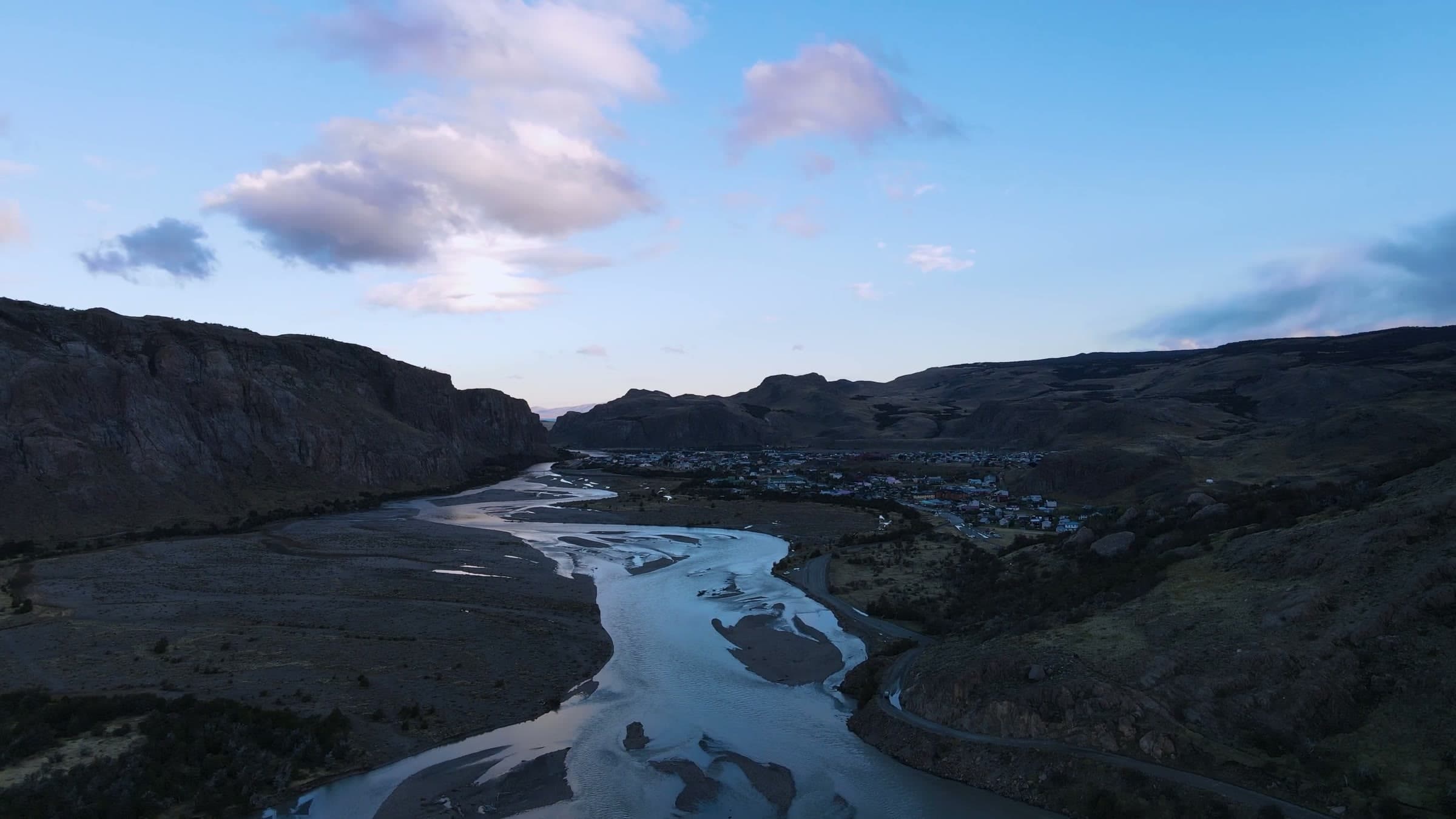
Argentine Patagonia. Stock footage

Where we have been

  • Estancia Foyel Ranch
  • Estancia Quillén
  • Nordelta
  • Estancia Peumayen
  • Azienda La Berta
  • Hostería Valle del Carrileufu
  • Grinc
  • Fazenda Alliança
  • Viñedo RDZ
  • Ea. La Moderna
  • Estancia Doña Graciela
  • Granja Guasú
  • Valle del Chalhuaco
  • Ea. Los Ranqueles

Services

From a mountain stream to a city drain

Three environments, one job: understanding where water wants to go and designing with it. Open any service to see what it includes.

01Natural environment

Streams, wetlands and lagoons

In the natural environment, Reland manages projects that restore the original landscape, placing elements that support and speed up the regenerative processes of river systems. Restoring streams, wetlands and floodplains is how a landscape recovers and how biological corridors cross the land again.

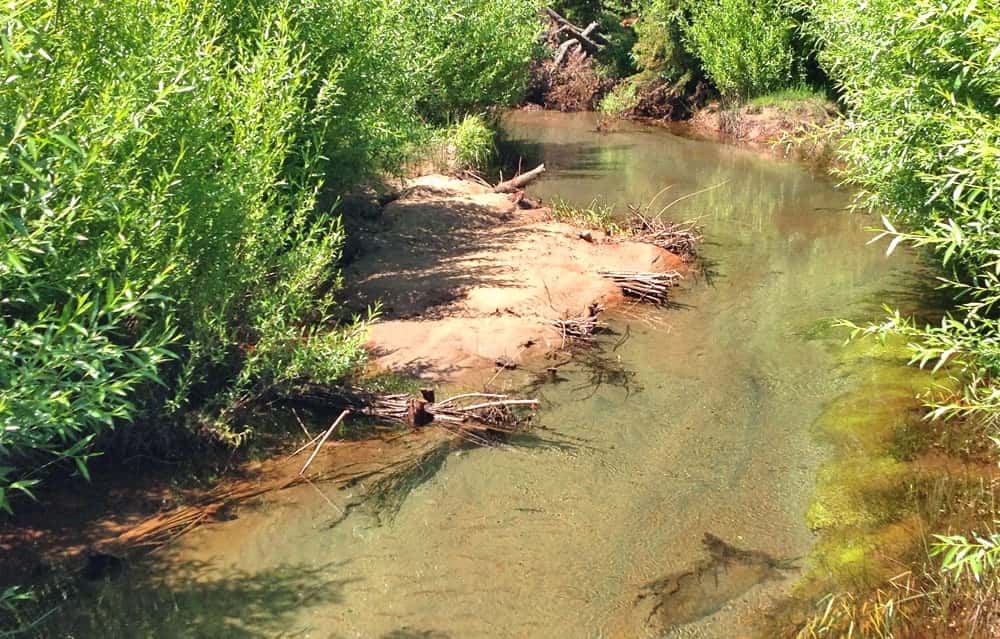
A clear stream between willows, with a sand bar on the bend
  • Reland is one of the first companies in Argentina to plan river and stream restoration in a sustainable, environmentally sound way. We create landscape from a holistic perspective, integrating hydraulics with native fauna and flora, and giving rivers and streams their life and rhythm back.

    The most common practices

    • Re-meandering streams and channels
    • Reconnecting floodplains
    • Improving channel profiles
    • Creating riffles and pools
    • Habitat variety for every species
    • Bank erosion control
    • Monitoring and maintenance
  • Wetland and lagoon restoration is a broad subject and can draw on the techniques of river restoration. Wetlands are often very sensitive sites with complex biota, and many are protected by regulation.

    Reland offers a wide range of wetland creation and restoration services.

    Includes

    • Wetland restoration and creation
    • Reprofiling the bottom
    • Planting submerged, floating and emergent aquatic plants
    • Edge design
  • An Environmental Impact Assessment (EIA) identifies, predicts, evaluates and mitigates the impacts a project or activity may have on the environment in the short, medium and long term, before the decision to build it is made.

    In Argentina it is a preventive technical and administrative procedure under General Environmental Law 25,675, which lets the competent authority decide on a project's environmental viability with full information. The authority responds with an Environmental Impact Statement (DIA) or an Environmental Aptitude Certificate (CAA), depending on each jurisdiction.

  • Planting riverbanks is a simple, inexpensive way to protect and improve water quality with native plant communities. It also stabilizes the banks and prevents erosion.

    Trees and shrubs give shade and keep the water temperature steady, ideal for nutrient exchange and for aquatic life. Rivers close to urban development need careful management.

  • Our team brings together environmental engineers, agronomists, landscape designers, biologists and architects, so each project is approached as a whole. We design in streams, channels, lagoons, wetlands and floodplains.

    We model to design precisely, and we survey the existing site with precise instruments, so we work knowing the site's history.

    Some of our tools

    • High-precision drone and GPS topography
    • Hydrological modeling
    • Physical and chemical water analysis
    • GIS software
  • We can work with you from the preliminary design stage, advising on and setting guidelines that make every decision in the project more sustainable.

    Once a project is advanced these proposals are harder to bring in, so it pays to set environmental criteria from the very first stages.

02Rural environment

Keyline, erosion and water on the farm

On farmland we propose highly productive systems built on chains of ecological processes. We design production models with strong interaction between their parts, for resilience and efficiency in the use of what the land already has. Soil restoration and conservation come first: soil is a producer's most important capital.

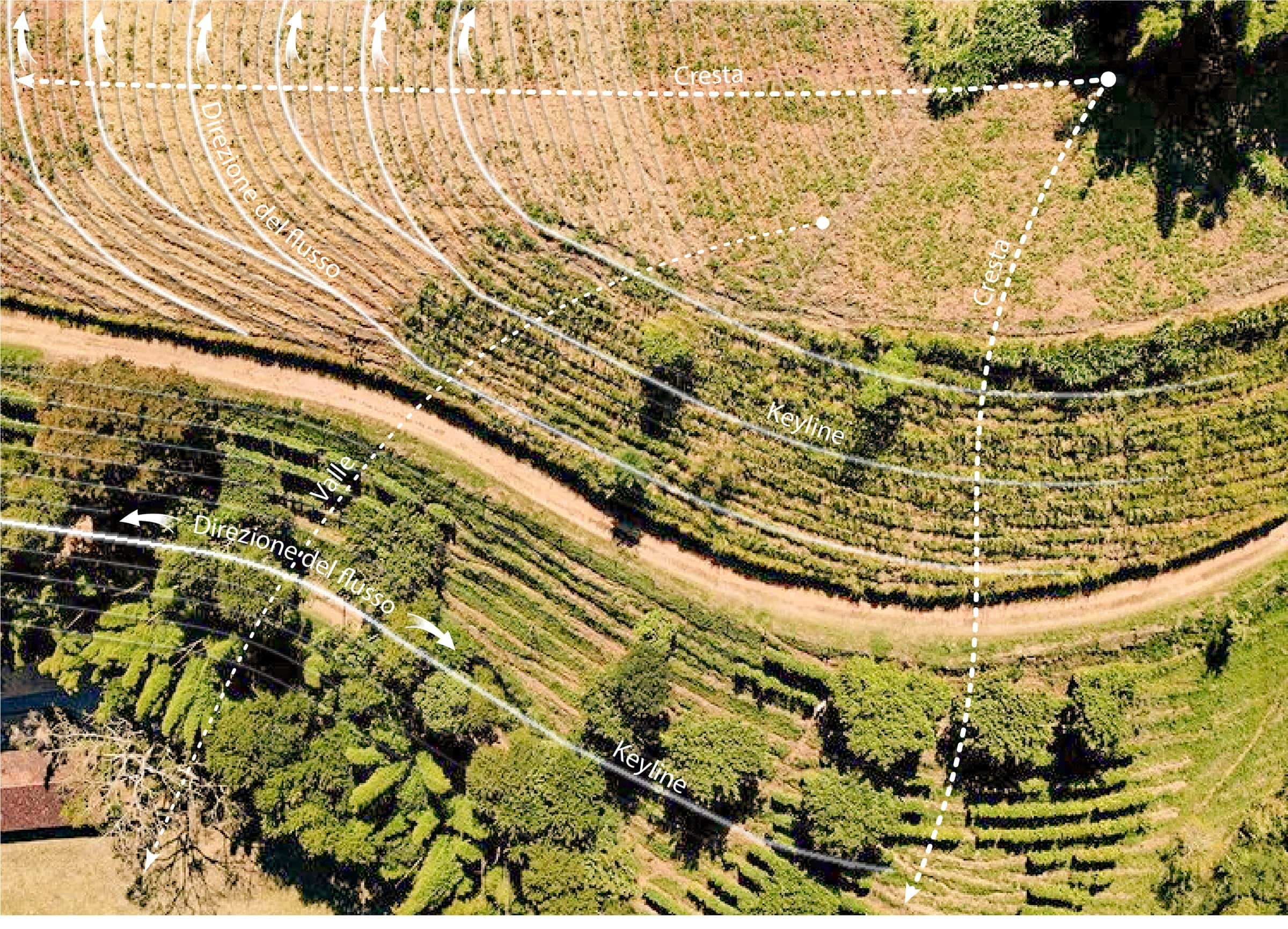
Aerial view of a vineyard with the Keyline design lines drawn over the land
  • Keyline is a design method that treats the productive life of any farm as a whole. Infrastructure is laid out and production planned around the site's own climate, geography, hydrology, soils, energy and environment, to create a productive ecosystem where resources are reused, recycled and reduced.

    Reland is one of the first companies in Argentina to bring in and apply this Australian method. We design Keyline patterns that make the most of rainfall, prevent erosion and store water for later use.

    Keyline design includes

    • Keyline contour and planting lines
    • Biological corridors
    • Erosion control
    • Farm roads
    • Tree planting
    • Water harvesting
    • Zoning and production layout
  • For producers who want to understand how water behaves on their land, we survey the site and its topography and then read, with GIS software and hydraulic models, how rainwater moves across the ground.

    Hydrological analysis includes

    • Topographic survey
    • Hydrological modeling
    • Water balances
  • Reland offers a range of erosion control solutions for farmland, fitted to the production layout: structural works, which need space and machinery, and decision support, with guidelines that reduce the impact of production on the land.

    Some of the most common practices

    • Cover crops
    • Biological corridors
    • Riverbank buffers
    • Mixed cropping
    • Keyline design
    • Waste management
    • Sediment capture
  • Text pending

    The description of this service is pending.

  • Biogas is a mixture of gases with 60 to 70% methane (CH4), carbon dioxide (CO2), hydrogen and other gases, produced by fermentation.

    It is a valuable source of heat, mechanical power and electricity. Unlike other renewables it can be stored and produced continuously, whatever the weather. After fermentation, the digester leaves a liquid residue of very high value as a biofertilizer.

  • Producing your own inputs improves margins by removing the dependence on external suppliers. Crop cycles shorten, returns come sooner, and the harvest has better commercial quality and nutritional value.

    Making your own inputs is a decisive step in a project's productive and economic efficiency, and it reduces the negative side effects of farming.

03Urban environment

Sustainable drainage and rainwater

In towns and on their edges we design Sustainable Urban Drainage Systems (SUDS) that reduce the impact of the storms behind floods. With a proper drainage study, landscape elements are placed to slow, hold, store, filter, infiltrate and treat runoff before it reaches the receiving waters.

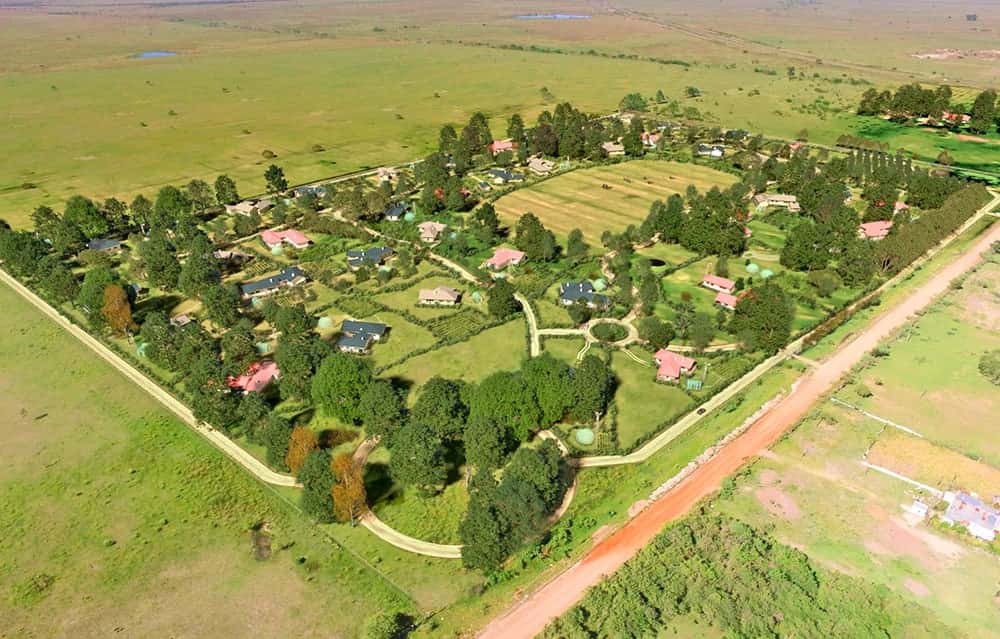
Aerial view of a gated neighborhood surrounded by fields, with tree lines and internal roads
  • We advise on and design these systems so urban projects manage water sustainably. Water management is a key point whenever urban infrastructure is sited.

    The most common elements

    • Detention and retention ponds
    • Green roofs and walls
    • Permeable paving
    • Infiltration trenches
    • Rain gardens
    • Riparian and wetland buffers
  • Rainwater harvesting collects, stores and reuses roof runoff, reducing runoff volume and peak flows. Cistern, flexible and precast ferrocement tanks are used for domestic supply rather than irrigation, and most systems are modular, so tanks can be linked for more storage.

    Drain grates keep debris out of the runoff. When rainwater is used for drinking, filtration and purification equipment is added.

  • We believe food should be grown in cities as well as in the country. Reland builds urban gardens end to end, from preparing the ground to after the first crop cycle.

    Organic food growing is a culture we want to encourage in the city, for the quality of the food and to bring consumers and producers closer.

  • Many water bodies suffer eutrophication: algae grow exponentially, dissolved oxygen drops and life becomes hard for everything else that lives there.

    Floating islands planted with aquatic species add oxygen and remove excess dissolved nutrients. They are a simple, economical answer for water bodies in a critical state, need minimal upkeep, blend into the landscape and increase biodiversity.

  • Treatment wetlands, also called constructed or artificial wetlands, are wastewater treatment systems designed to separate contaminants and manage waste properly.

    We advise on, design and engineer treatment wetlands for wastewater purification.

  • Knowing how much rainwater a site has means knowing its climate and then working out a water balance. That is what any drainage or storage element is sized from.

    We hand the client the information any project that treats water as a resource needs.

Made to measure

Tell us what you have and what you want

Every piece of land is different. Pick what looks most like yours and we will write the message for you to send on WhatsApp.

Step 01I have
Step 02I am interested in

Your message

Pick one option at each step and your message appears here.

Method

First, we read the land

Before moving any earth we survey and model: how the rain falls, where the water runs and what the site needs. We work knowing its history.

How we read it

  1. 01Drone and GPS topographyHigh-precision surveys of the site as it is.
  2. 02Hydrological modelingHydraulic models of how rainwater moves.
  3. 03Physical and chemical water analysisSamples and measurements on site.
  4. 04GIS softwareMaps and layers to read the territory.
working since
2016
projects completed
22
countries
5
surveyed and designed
haContent pending

Where we have worked

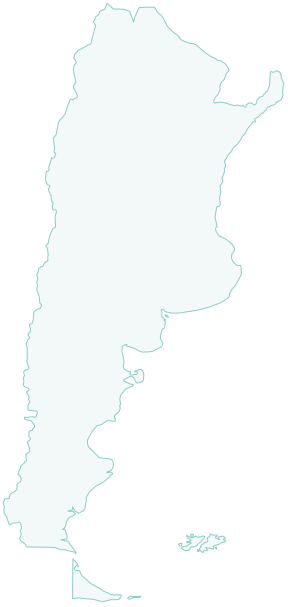
Each point is a project in Argentina.

Completed projects

From mountain streams to the Paseo del Bajo

Since 2016 we have worked on hydrological projects that respect nature and support the ecological processes already there. An interdisciplinary team for the complexity of each place.

Featured project

Bariloche, Río Negro

of lagoon built
1,540m²
native trees planted
3,000
  1. 01Willow management along the riverbank
  2. 02A new lagoon
  3. 03Native tree planting
  4. 04Invasive species management
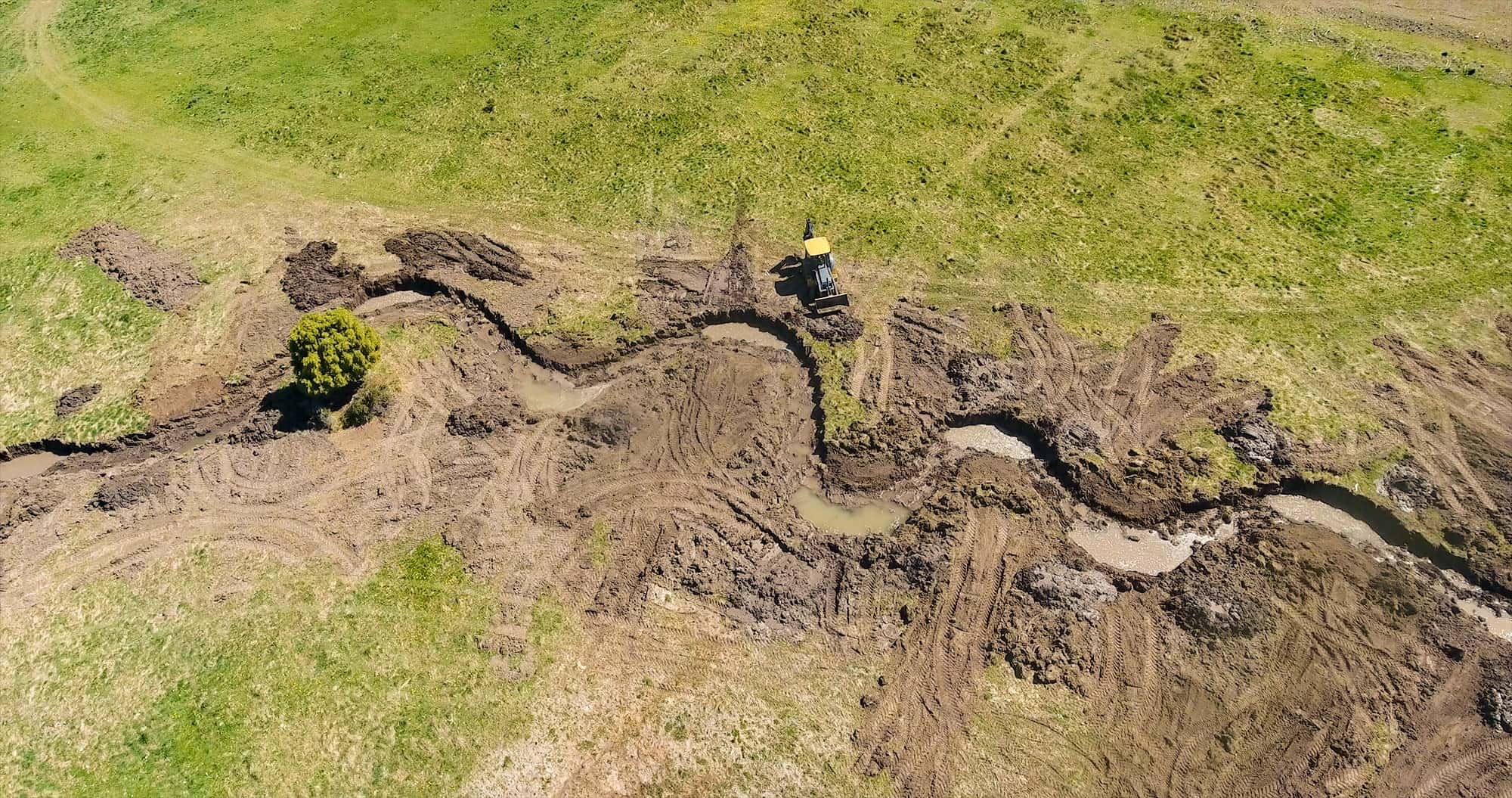
  5. 05Reshaping a mountain stream
  6. 06Channels and water management
22 projects

  • Estancia Foyel RanchBariloche, Río NegroA 1,540 m² lagoon, 3,000 native trees and a reshaped mountain stream
  • Ea. WilliamsTrevelin, ChubutMountain stream restoration
  • Hostería Valle del CarrileufuCholila, ChubutMountain stream restoration
  • Estancia Doña GracielaTrevelin, ChubutSpring-fed stream restoration
  • Estancia PeumayenBariloche, Río NegroEnlarging and conditioning a natural lagoon
  • Estancia QuillénQuillén, NeuquénSpring creek restoration
  • Valle del ChalhuacoBariloche, Río NegroSurvey of hydraulic infrastructure and hydrological dynamics
  • Viñedo RDZTrevelin, ChubutIrrigation, landscape and reservoir project
  • Ea. MuñozArrecifes, Buenos AiresKeyline project
  • Ea. Los RanquelesGeneral Belgrano, Buenos AiresHydrological and surface runoff studies
  • Ea. La ModernaAzul, Buenos AiresTopography, water analysis and Keyline design
  • Granja GuasúBaradero, Buenos AiresTopography, water analysis and Keyline design
  • Ea. La Virgen del AguaMercedes, CorrientesTopography, water analysis and a residential layout
  • NordeltaEscobar, Buenos AiresHydrological studies for sustainable urban drainage
  • Grinc · Paseo del BajoCiudad Autónoma de Buenos Aires, CABASUDS advice for the Paseo del Bajo
  • Grinc · Costanera NorteCiudad Autónoma de Buenos Aires, CABASUDS advice for the Costanera Norte
  • Grinc · Eco-parque MendozaCiudad de Mendoza, MendozaSUDS advice for the Mendoza Eco-park competition
  • CasablancaV Región, ChileSurface drainage and culvert study
  • Azienda La Berta Srl Società AgricolaRavena, ItalyOlive grove on Keyline
  • Azienda Agricola Le MouraMonalera, ItalyTree planting on Keyline
  • Rancho EdigutSalitral, Santa Cruz, PanamaErosion control and hydrological design
  • Fazenda AlliançaBarra do Piraí, RJ, BrazilTopography, water analysis and Keyline design

In the field

Swipe to see more

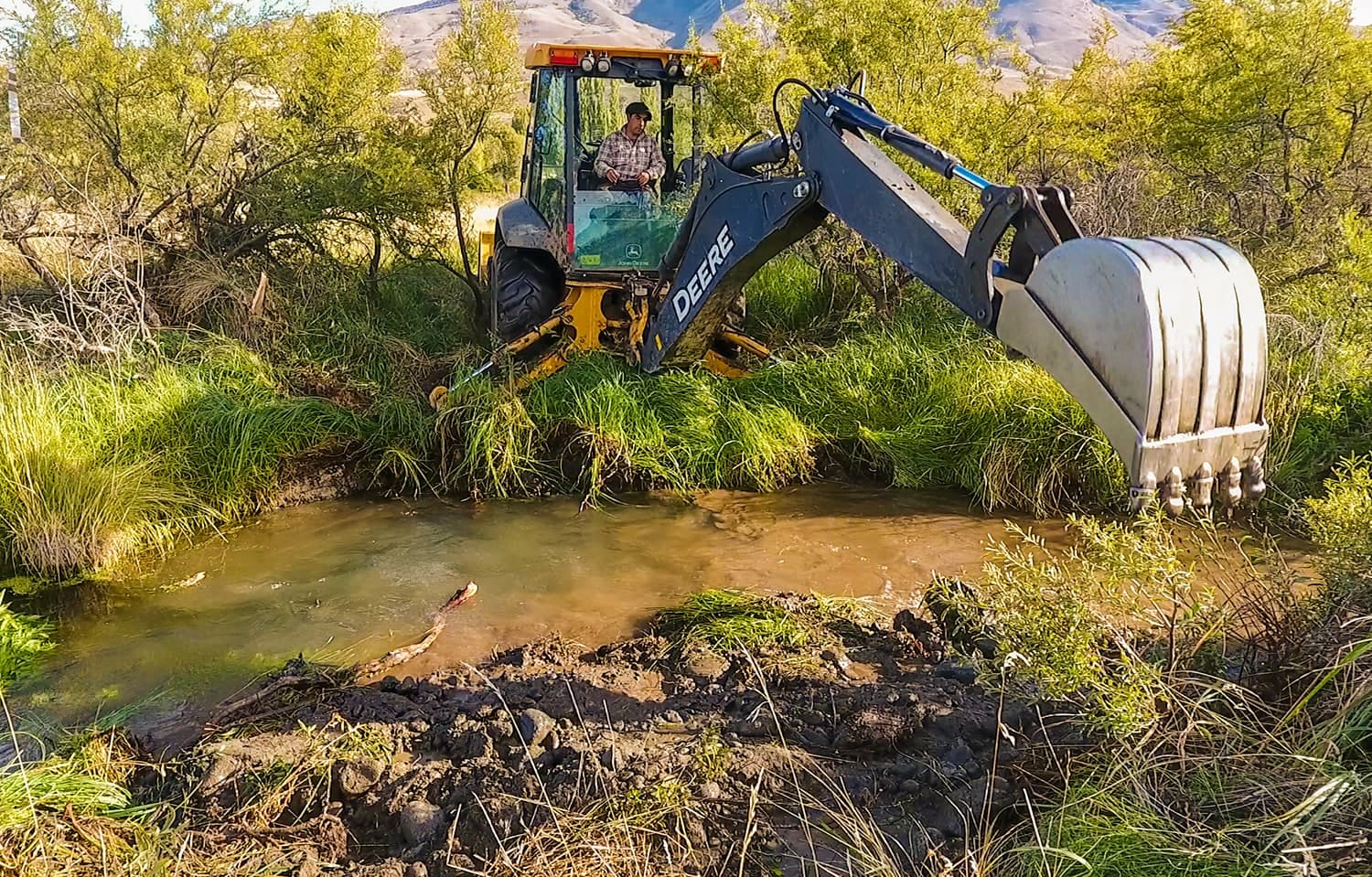
  • A backhoe working inside a stream channel among tall grass
    01Reshaping the channel with a backhoe
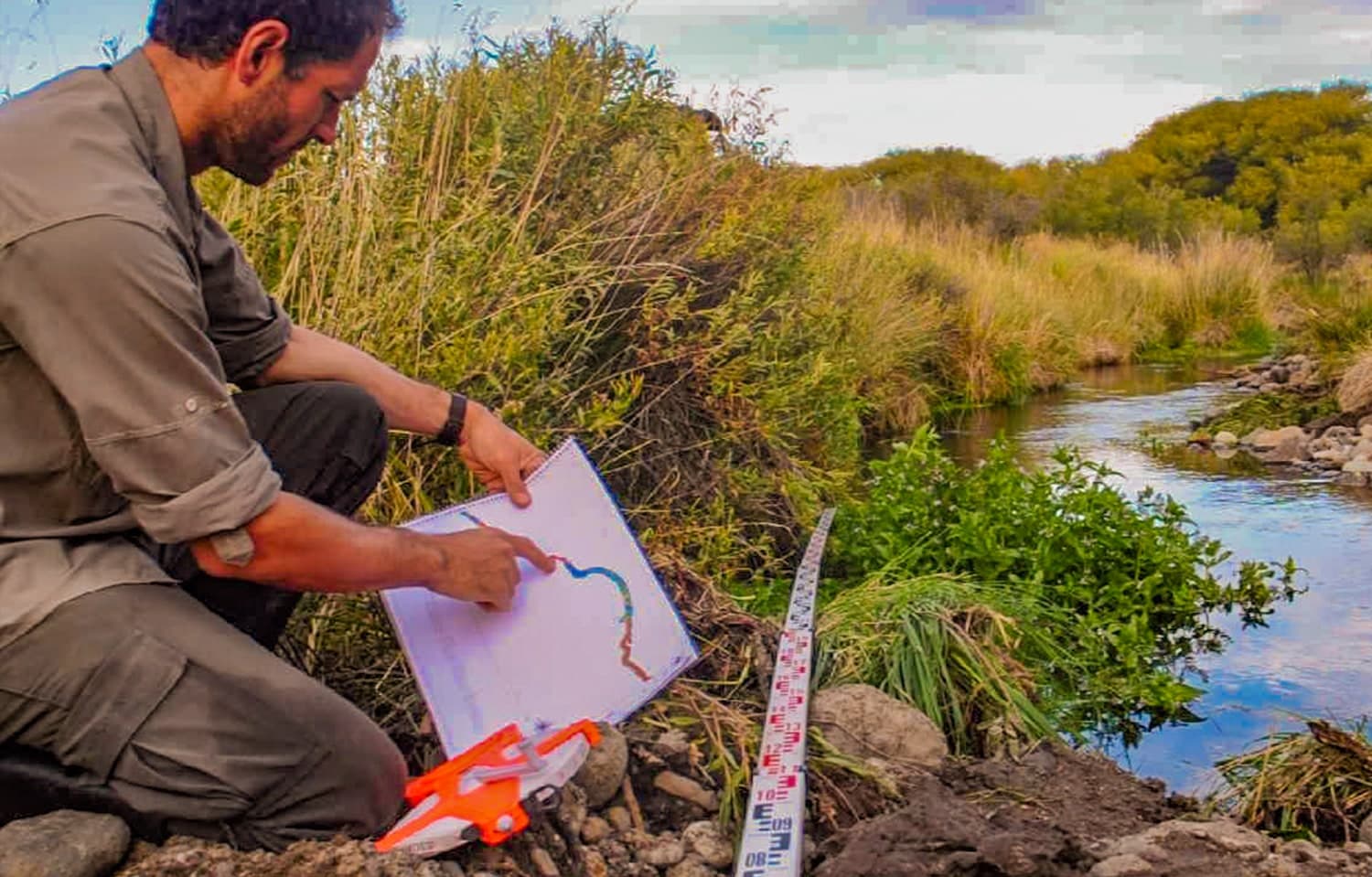
  • A technician pointing at the stream's course on a plan, sitting on the bank
    02The new course, checked on the bank
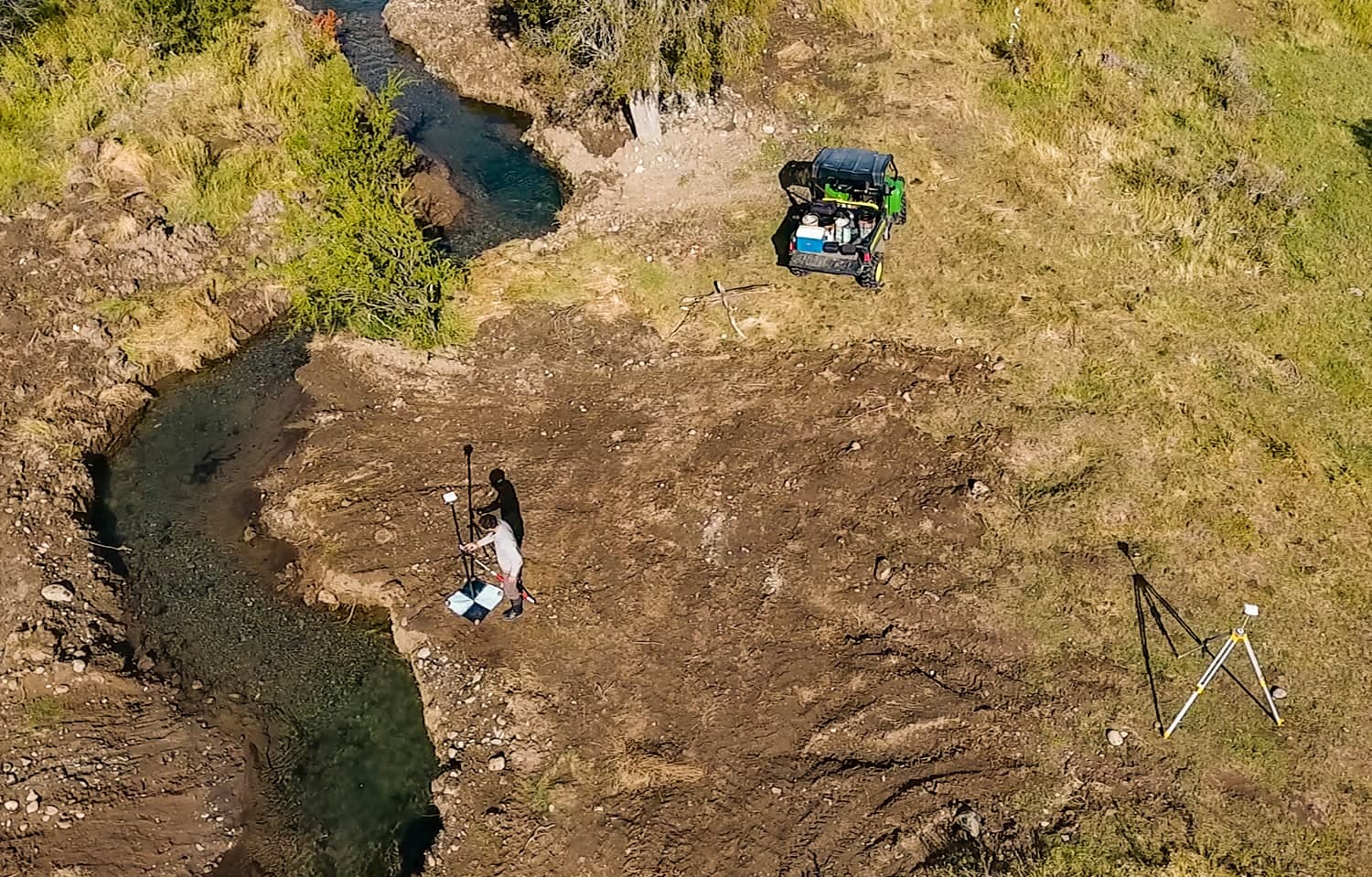
  • Aerial view of a freshly cut channel with a technician measuring with GPS
    03GPS survey in a freshly cut channel
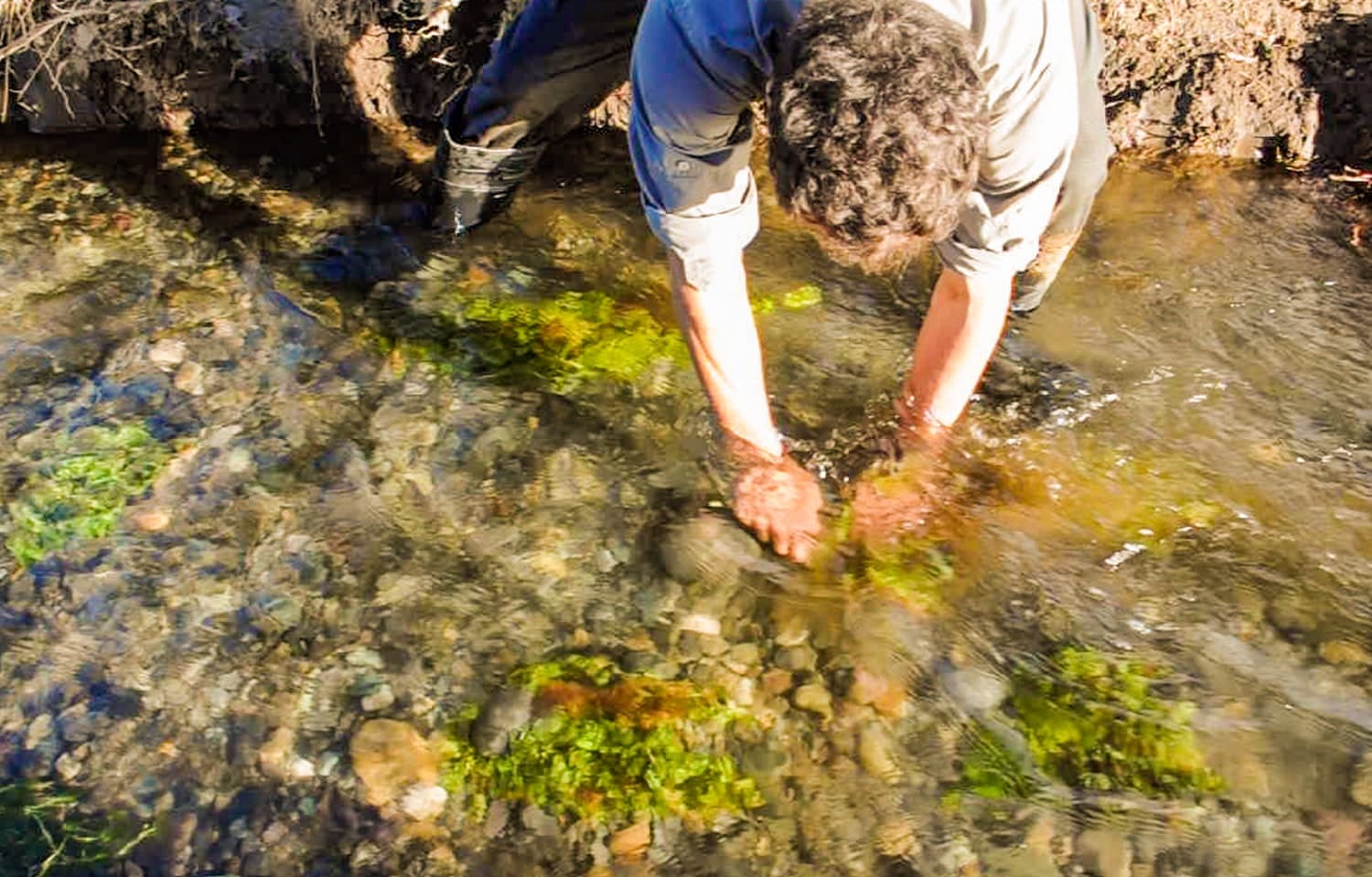
  • Hands setting aquatic plants into the bed of a clear stream
    04Aquatic plants, set by hand
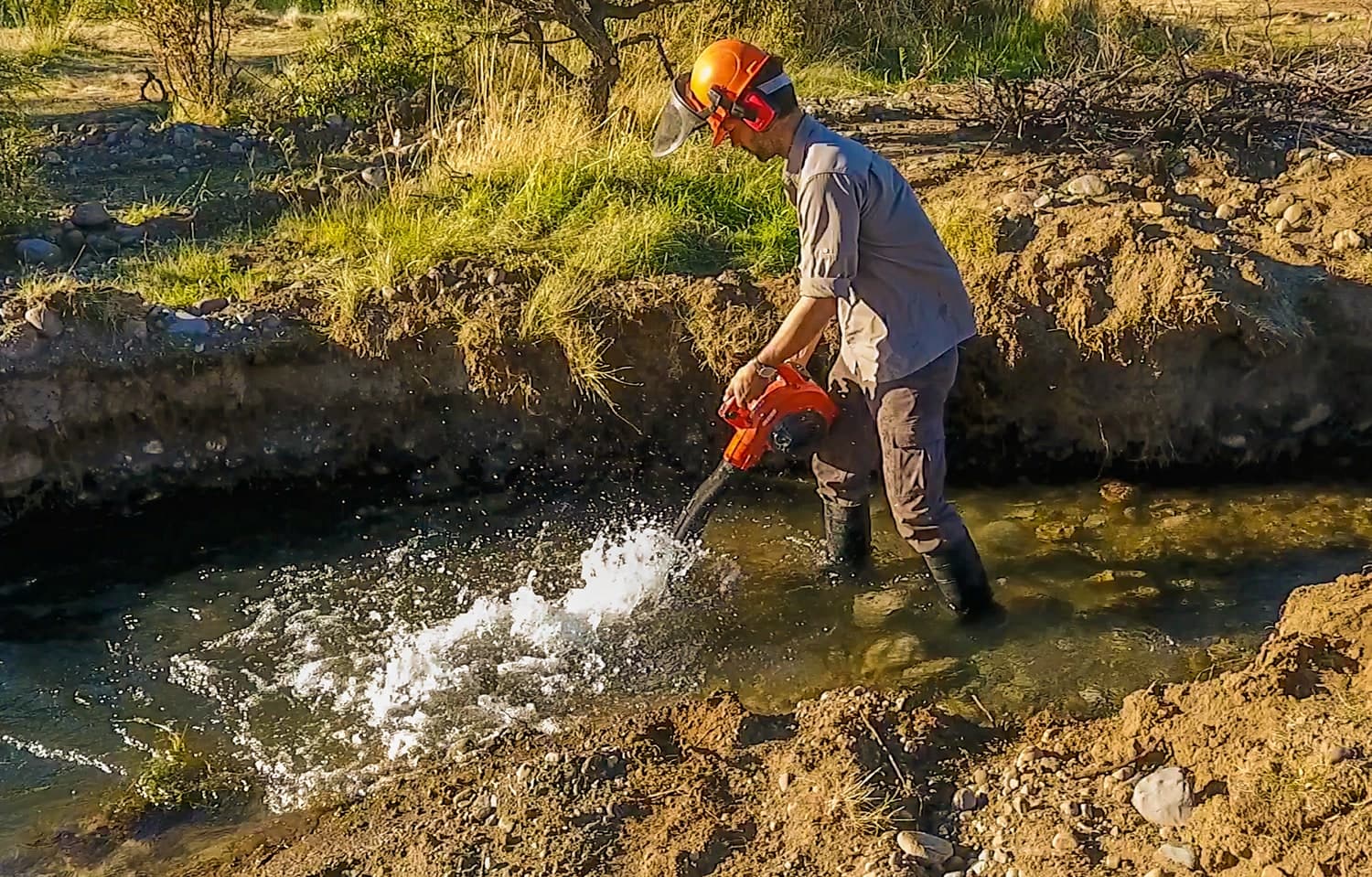
  • A technician in a helmet working on a stream bed with pressurized water
    05Working the stream bed
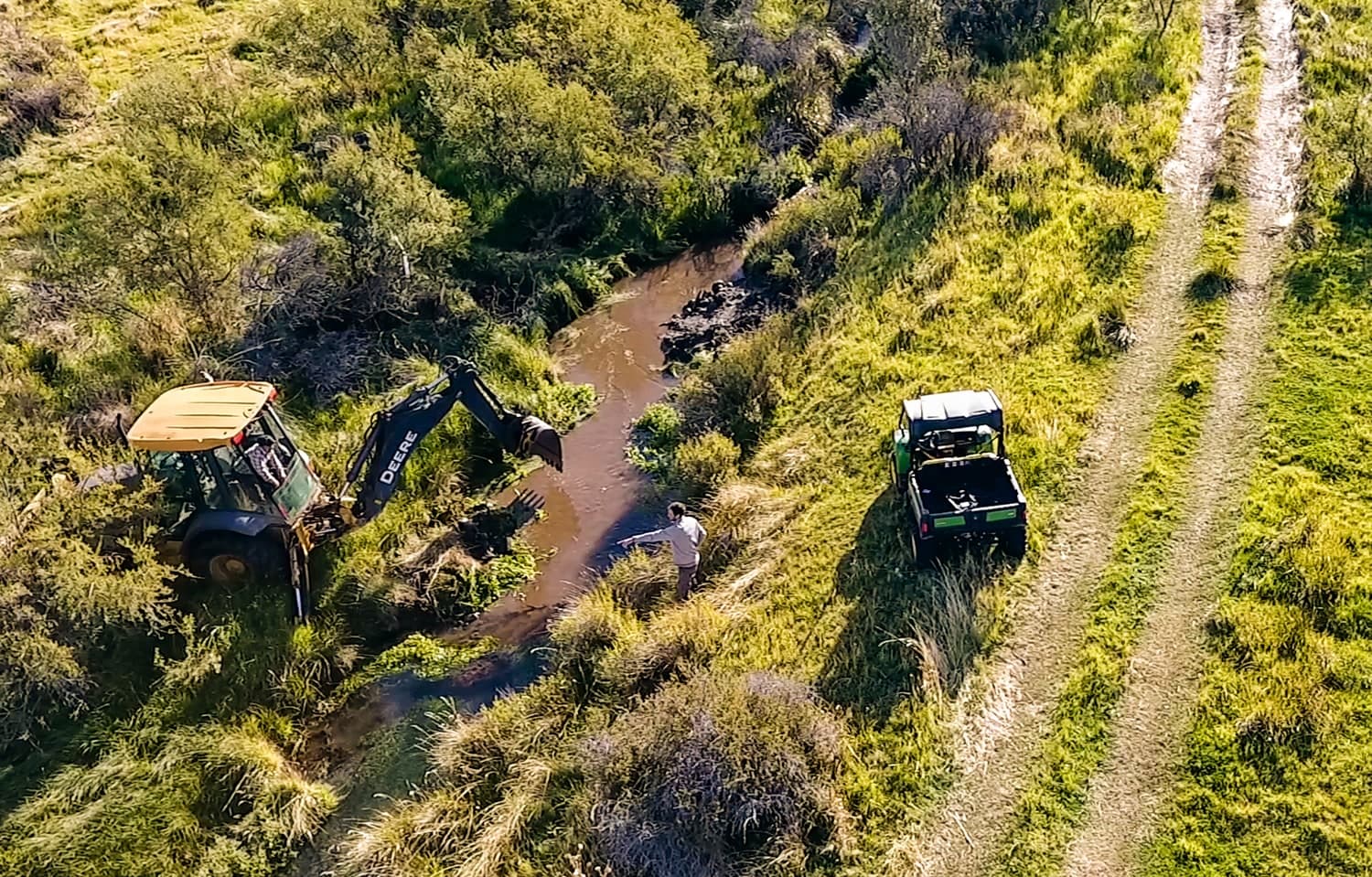
  • Aerial view of a backhoe and a support vehicle beside a stream
    06Machinery along the stream, from the drone

About

An interdisciplinary team for water

Reland works on the conservation, regeneration, restoration and maintenance of river environments. We take on projects that need a careful reading of their surroundings, and we provide the tools to manage water as a resource.

Our interdisciplinary team covers the particular needs of each project.

Mission

To increase the value of a property sustainably, putting the resources of its natural environment first, on farmland and in towns alike.

Vision

To be a company that drives, promotes and takes an active part in the rural and urban transition towards sustainable models of growth.

Since 2016

Who is on the team

  • Environmental engineering
  • Agronomy
  • Landscape design
  • Biology
  • Architecture

Team

Content pending
  • Full name

    Role on the team

  • Full name

    Role on the team

  • Full name

    Role on the team

  • Full name

    Role on the team

Testimonials

What the people we have worked with say

Content pending
  • A client's words go here: what was wrong with their land and how it turned out.

    Client name

    Property, place and the work done

  • A client's words go here: what was wrong with their land and how it turned out.

    Client name

    Property, place and the work done

  • A client's words go here: what was wrong with their land and how it turned out.

    Client name

    Property, place and the work done

Publications and teaching

What we write and teach

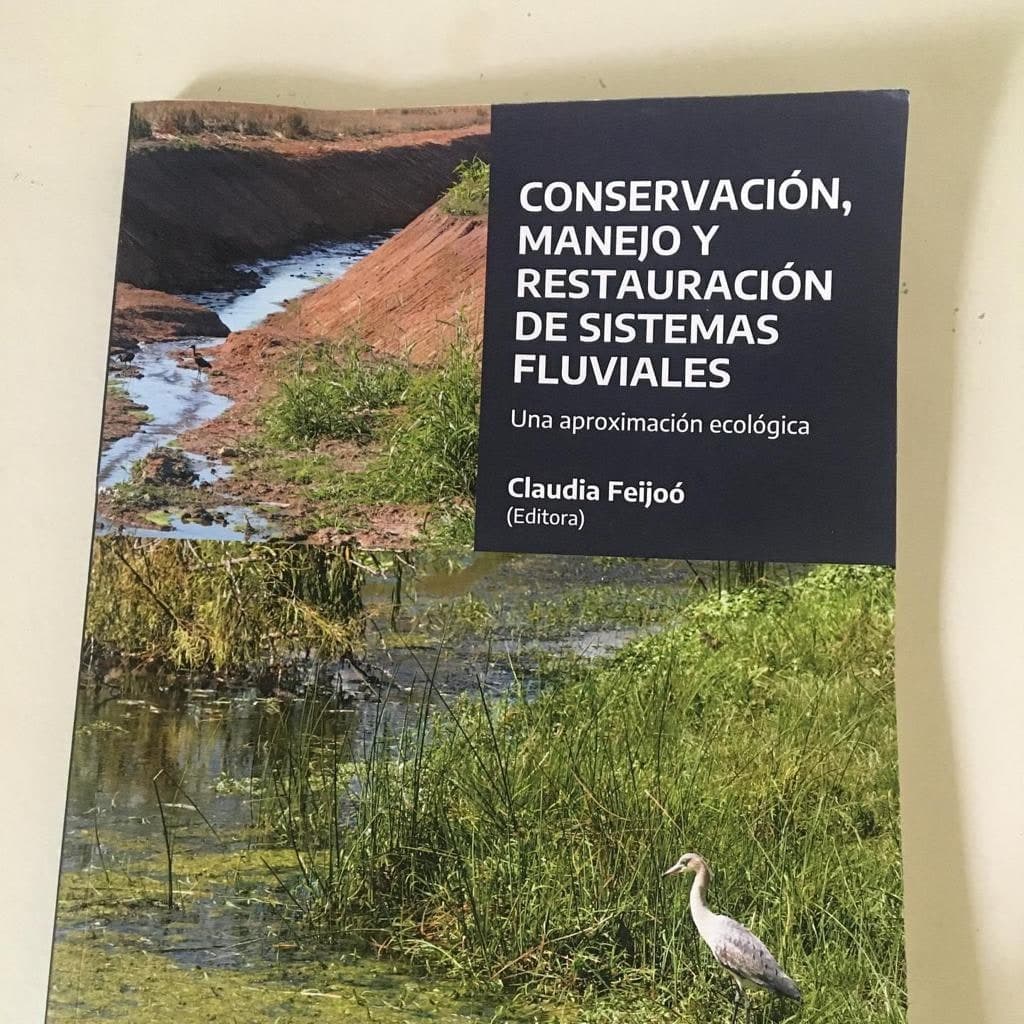
  • Cover of the book Conservación, manejo y restauración de sistemas fluviales

    Book

    Conservación, manejo y restauración de sistemas fluviales

    Claudia Feijoó (ed.), chapter 08

    A book on how to reach a new social and environmental contract with our rivers and streams. In chapter 08 we set out the method of Sustainable Urban Drainage Systems, with the work done on the Costanera Norte in Buenos Aires.

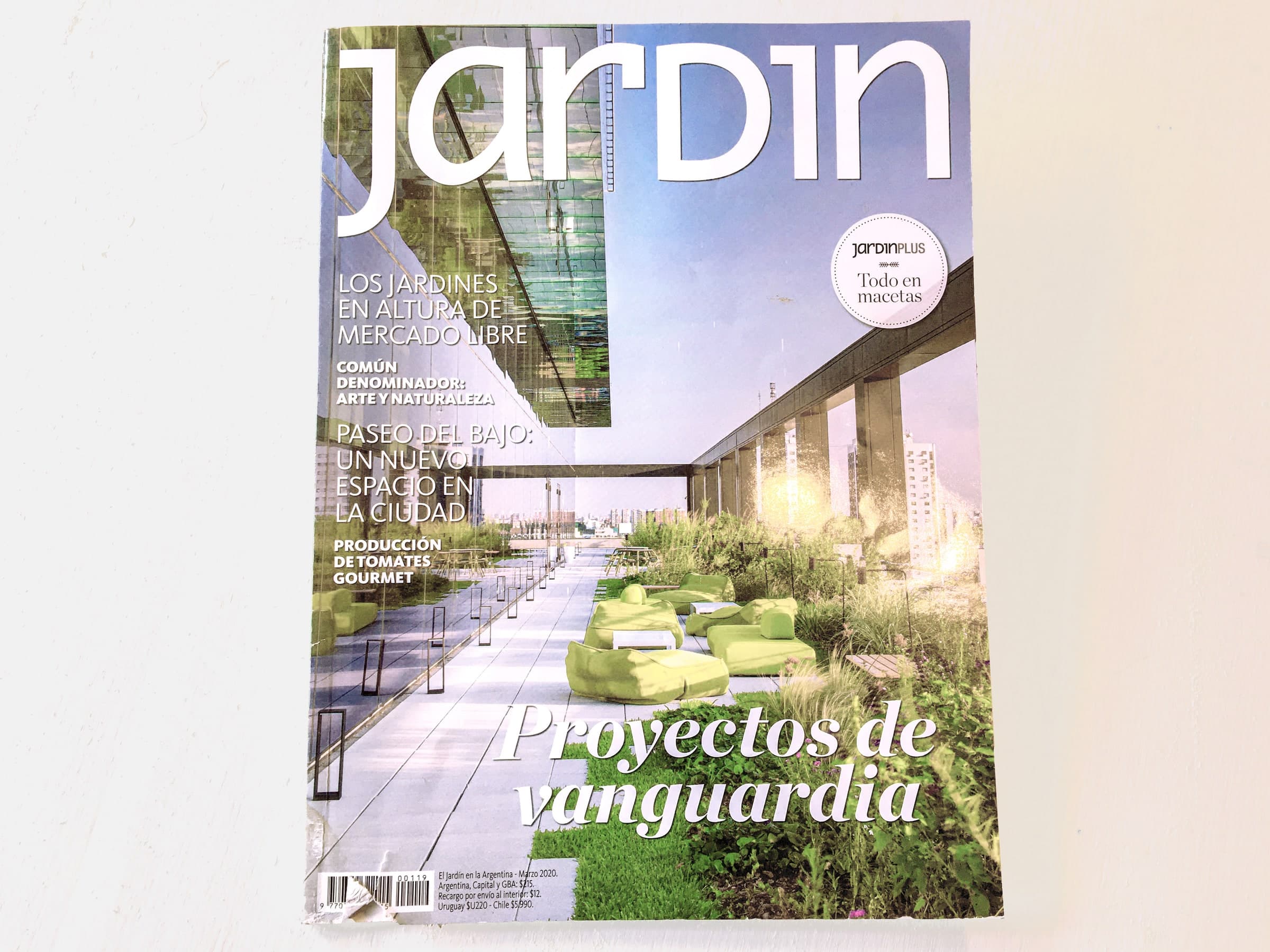
  • Cover of Revista Jardín featuring the Paseo del Bajo

    Magazine

    The Paseo del Bajo in Revista Jardín

    Revista Jardín, March 2020

    Revista Jardín published the landscape project built on the Paseo del Bajo in Buenos Aires, on which Reland advised on Sustainable Urban Drainage Systems.

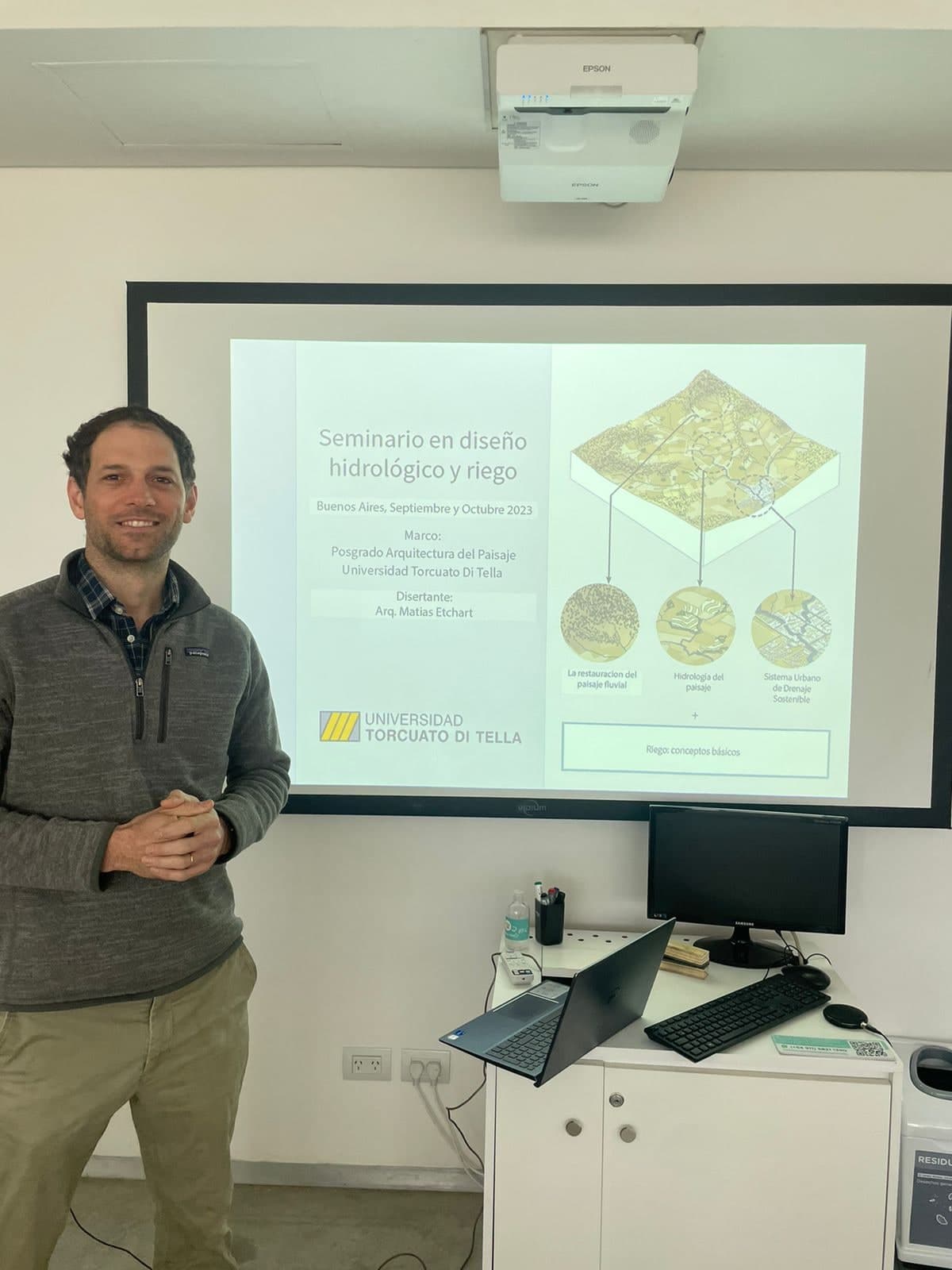
  • Seminar on hydrological design at Universidad Torcuato Di Tella, in front of the projection

    Teaching

    Seminar on hydrological design and irrigation

    Universidad Torcuato Di Tella, Landscape Architecture postgraduate program

    Since 2020, Universidad Torcuato Di Tella has invited us to teach a seminar on hydrological design and irrigation to its Landscape Architecture postgraduate students.

  • 04

    Competition

    Mendoza Eco-park

    With Grinc

    Advice on Sustainable Urban Drainage Systems for the Mendoza City Eco-park competition.

Contact

We want to hear about your project. Write to us!

Tell us where your land is and what you would like to achieve: on WhatsApp, by email or with the form.

Instagram
@reland.hidro
Based in
Buenos Aires, Argentina
Hours
Monday to Friday, 9 am to 5 pm (Argentina)
Reland Hidro

Or leave your details

By sending, you accept the privacy policy.